Feb 27, 2023
If your Denver-area home was built before 1978, there's a real chance some of its painted surfaces contain lead. That isn't a reason to panic. Intact paint that isn't being disturbed is a low concern. The risk comes from sanding, scraping, cutting or demolishing old paint, which creates fine dust. Testing before you renovate tells you where lead is so the work can be planned around it.
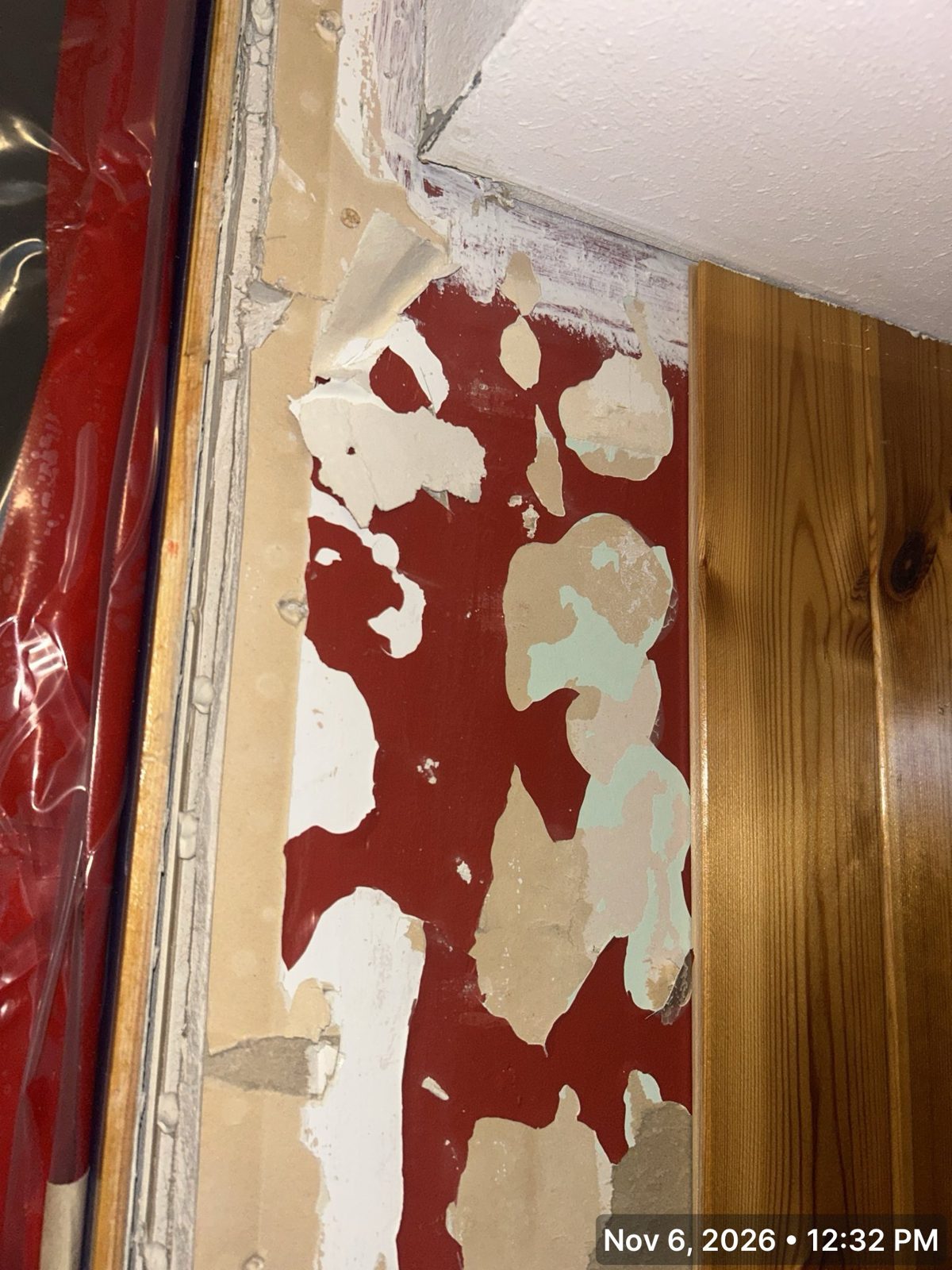
Lead-based paint was banned for residential use in 1978. EPA estimates about half of homes built before then have lead-based paint, and the odds go up the older the home is. Many older homes have several layers of paint, and the original lead layer is often hiding under newer coats.
Young children and pregnant women are the main concern. Children can swallow lead dust from floors, windowsills and toys, or chew on painted surfaces. Adults doing the renovation work are also exposed when dust isn't controlled.
L&K Environmental uses an XRF (X-ray fluorescence) analyzer to test painted surfaces. The instrument is held against the surface and measures how much lead is in all the paint layers underneath, without removing any paint.
The federal definition of lead-based paint is 1.0 milligram per square centimeter or more (or 0.5% by weight). Your report lists each surface tested and its result against that standard. When XRF isn't practical, paint-chip samples can be collected and sent to an accredited lab instead, but that is slower and leaves damage to repair.
A positive result means the work on those surfaces should follow lead-safe practices: containment, no dry sanding or open-flame removal, careful cleanup and proper disposal. Intact lead paint on surfaces you aren't disturbing can often be left in place and kept in good condition. L&K only does testing, not removal, so our results are independent. We'll walk you through what the report means for your project.
Residential lead-based paint was banned in 1978, so newer homes are generally outside the lead rules. If you aren't sure when a home was built, or it has older additions or salvaged materials, ask us.
Store-bought swabs can give a quick indication on the top layer, but they don't measure how much lead is present and aren't accepted as a formal inspection. XRF testing by a certified inspector gives you documented results.
Most homes take one to a few hours depending on size and how many surfaces are tested, and XRF results are available right away.
Planning a remodel, repaint or window replacement in an older home? See our lead paint testing services or contact us to schedule anywhere in the Denver metro.
Asbestos • Lead • Mold
📞 303-912-5016
📧 info@lkenvironmental.com
🌐 lkenvironmental.com